
Archive photos
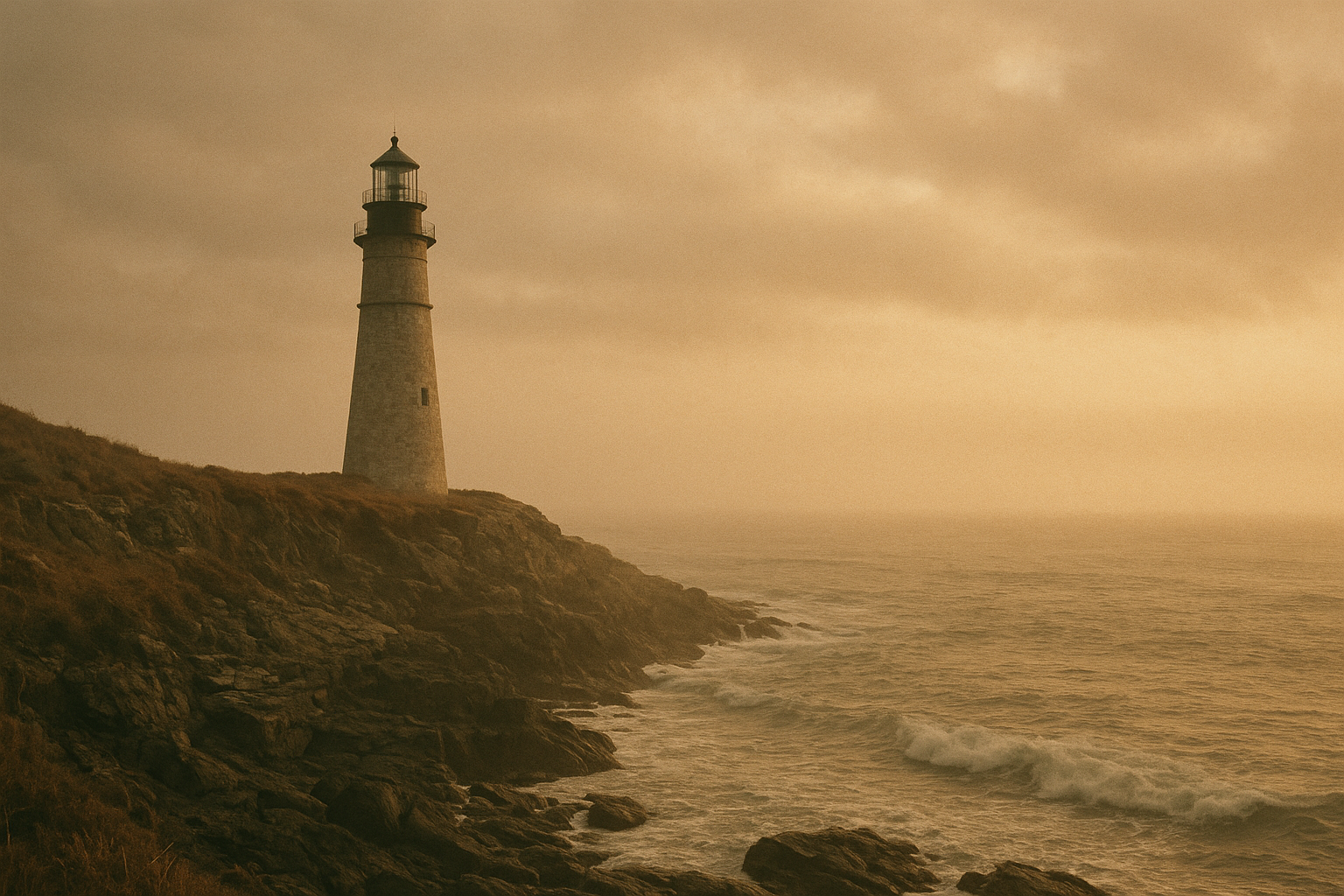
Browse curated coastal images spanning towers, weather, and working light stations.
Northern Coast Lighthouses Archive
This archive brings together photographs, keeper stories, and preserved towers from the coast’s lighthouse history.
Introduction
Across the northern coast, lighthouse beacons steered working vessels through fog and winter surf while anchoring community memory—today, preserved towers and archival records keep that navigation legacy legible for new generations.
Archive highlights
Browse curated coastal images spanning towers, weather, and working light stations.
Read concise accounts of routines, storms, and lives kept in service of navigation.
Follow mapped locations of surviving towers and plan a route through coastal history.
Historical progression
A concise chronology tracing how navigation beacons grew from early coastal lights into preserved heritage towers.
1780–1835
Small oil and coal beacons established the first reliable night passages along exposed headlands.
1836–1895
Stone towers, keeper quarters, and fixed schedules created a coordinated coastal safety network.
1896–1975
Electric lamps, radio beacons, and remote controls gradually reduced full-time keeper postings.
1976–Present
Restoration trusts and archives protect surviving towers as working records of maritime heritage.
Keeper stories
Short accounts from the northern stations reveal daily endurance, practical ingenuity, and quiet devotion to keeping the coast lit.
When winter fog held for days, Marron kept double watches and logged every horn interval by hand to verify mechanical timing. Her notes also record sewing oilskins for deckhands and warming signal lenses over a coal pan before dawn inspections. The station ledger credits her discipline with reducing missed-beacon reports across three storm seasons.
Read related research note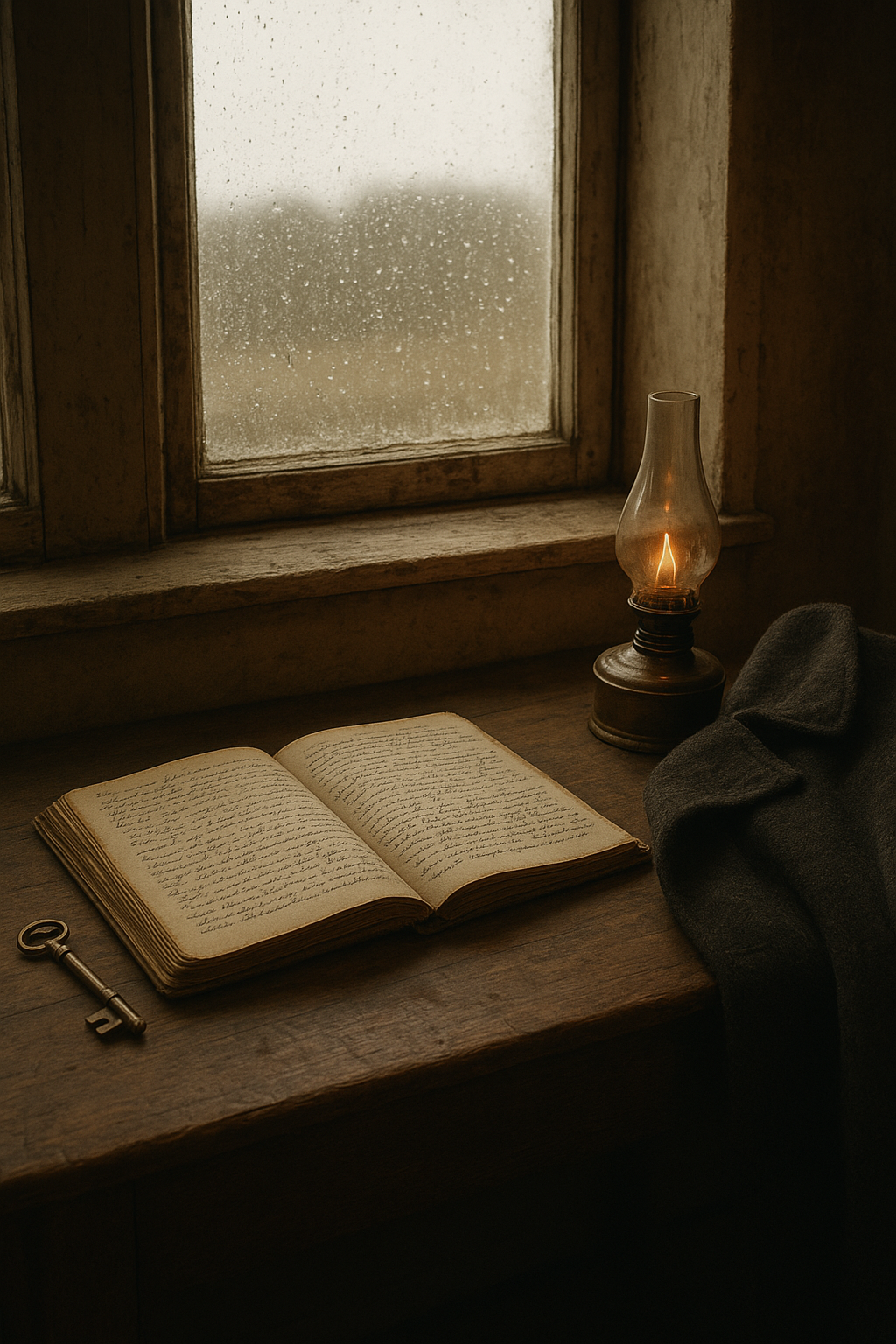
Fell’s correspondence describes hauling paraffin uphill in gale-force crosswinds and marking each trip against tide changes on the bunkhouse wall. He wrote that clear lantern glass mattered less than predictable routine: trim wick, check vent, repeat. Local pilots later cited his station as the coast’s most dependable winter light.
Locate the tower on the mapPreserved Coastal Landmarks
Trace surviving lighthouse landmarks, then follow each marker to connected stories, notes, and timeline entries from the northern coast archive.
Explore the map1. Northwatch Tower
Granite lantern room preserved; keeper logs extend from 1842 to 1908.
2. Greyhaven Light
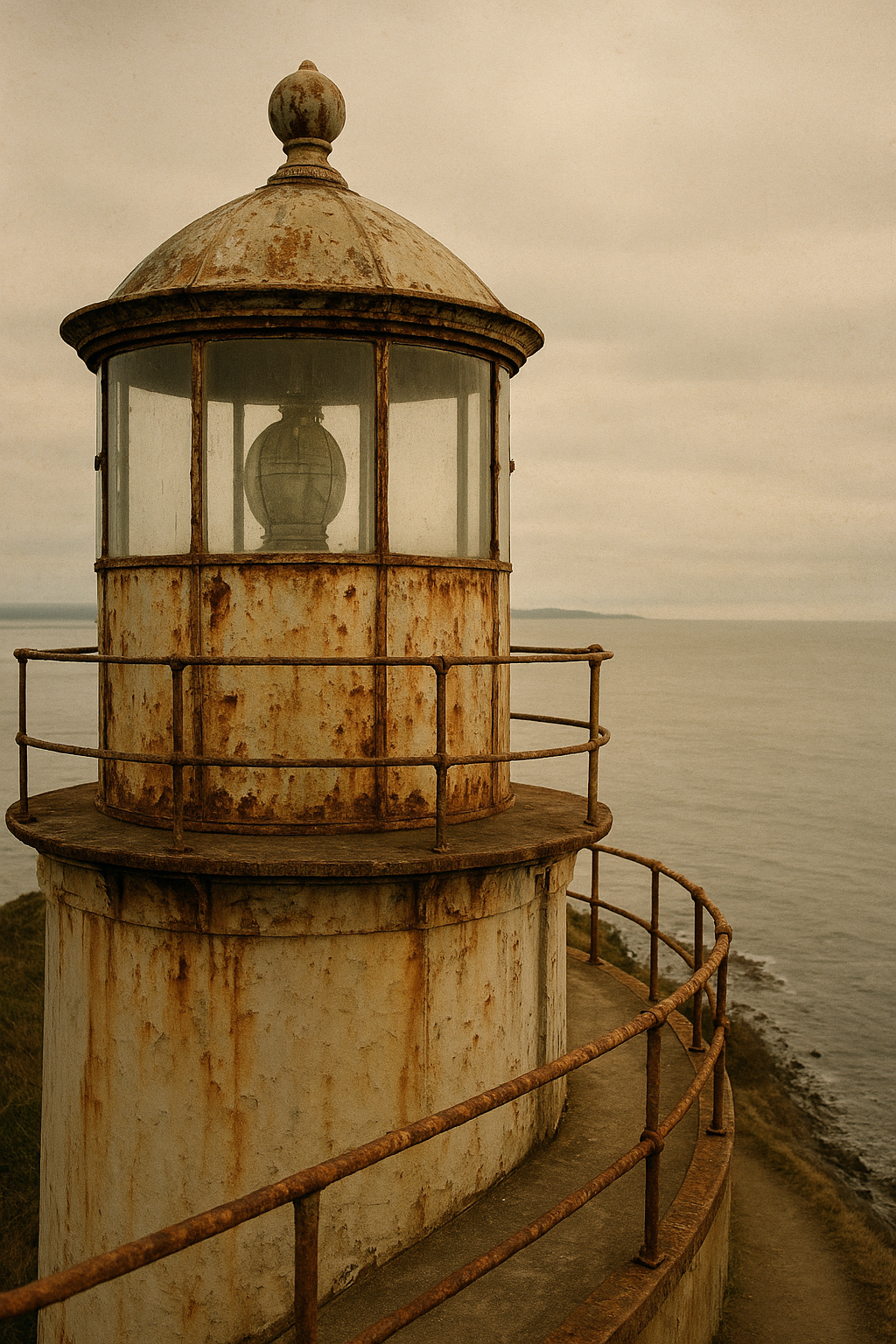
Iron gallery restored in 1931; still aligned to the original channel line.
3. Bracken Point
Paint analysis confirms early ochre finish beneath modern coats.
4. Saltmere Beacon
Lens housing survives in situ; maintenance notes remain in local records.
5. Low Cliff Lantern
Short-range warning light retained after harbor expansion in 1916.
Research Notes
These notes clarify how the archive is framed so readers can use photographs, stories, and map records with confidence.
Coverage follows the northern coast from the estuary headlands to the outer cliff chain, using historical county boundaries in force during each record period.
A tower is listed as preserved when its principal structure remains standing and its location is verifiable in current surveys; documented status appears in the preserved towers map.
No. The archive includes extant towers, altered remnants, and fully lost sites so the historical network can be studied as a whole.
Each photo is captioned with date range, vantage, and source note; visual condition, restoration traces, and surrounding shoreline markers are identified when evidence is available.
Stories are edited as short, sourced profiles that distinguish confirmed records from oral recollections, with dates and station assignments cited directly in the narrative.